
Understanding the Role of Nutrition in Sports Performance
In the pursuit of athletic excellence, Nutrition emerges as a crucial component, often considered the hidden edge for athletes across the spectrum. From weekend warriors to elite professionals, a well-structured nutrition plan can significantly augment performance and recovery, allowing athletes to push their boundaries safely.
The Science Behind Sports Nutrition
Sports nutrition is not merely about eating well or consuming enough calories—it's a precise science. It involves understanding how different nutrients impact the body during various phases of activity and rest. Proteins, carbohydrates, fats, vitamins, and minerals all play distinct roles in metabolic processes, muscle function, and energy production.
Macronutrients: Building Blocks of Athletic Performance
Macronutrients—proteins, carbohydrates, and fats—are essential for energy and bodily functions. Let’s examine their roles:
- Proteins: Essential for muscle repair and growth, protein is a must-have in any athlete's diet. Post-exercise protein intake stimulates muscle protein synthesis, aiding recovery and adaptation.
- Carbohydrates: The primary energy source during high-intensity activities, carbohydrates fuel glycogen stores in muscles and the liver. Adequate carbohydrate intake ensures sustained energy levels and delays fatigue.
- Fats: Though often misunderstood, fats are vital for endurance athletes, serving as a secondary energy source and supporting long-duration exercises.
The Role of Micronutrients
Although required in smaller amounts than macronutrients, micronutrients are crucial for energy production, bone health, immune function, and the repair of muscle tissue.
- Vitamins: Vitamins like B-complex are involved in energy metabolism, while vitamins C and E function as antioxidants, protecting cells from oxidative stress during intense training.
- Minerals: Calcium and vitamin D are vital for bone health, critical for preventing injuries. Electrolytes such as sodium, potassium, and magnesium play significant roles in fluid balance and preventing cramps during competition.
Hydration: The Often Overlooked Element
Hydration is frequently underestimated despite its importance. A 2% reduction in body weight due to fluid loss can impair performance, affecting endurance, strength, and cognitive functions. Strategies to maintain optimal hydration include regular water intake and electrolyte replenishments during and after events.
Hydration Levels and Athletic Performance
| Hydration Level | Effects on Performance |
|---|---|
| Well-hydrated | Optimal endurance and cognitive function |
| Moderately dehydrated (1-2%) | Slight decline in endurance and muscle power |
| Severely dehydrated (>3%) | Significant performance decline and increased risk of heat-related illnesses |
Timing Your Nutrition
Nutrient timing is pivotal in harnessing the full potential of nutrient intake. Pre-exercise meals should ideally comprise easily digestible carbohydrates and proteins to fuel upcoming activity while supplying essential amino acids.
Post-exercise nutrition is equally vital, with an emphasis on replenishing glycogen stores and initiating muscle repair. A combination of protein and carbohydrates consumed shortly after exercise is ideal for recovery.
Personalization: The Key to Optimal Nutrition
One-size-fits-all approaches do little justice to the diverse needs of athletes. Personalized nutrition plans, considering age, gender, sports discipline, and individual health metrics, yield best outcomes. Consultations with sports dietitians or nutritionists can help refine dietary strategies tailored to individual athletic goals.
The Role of Supplements
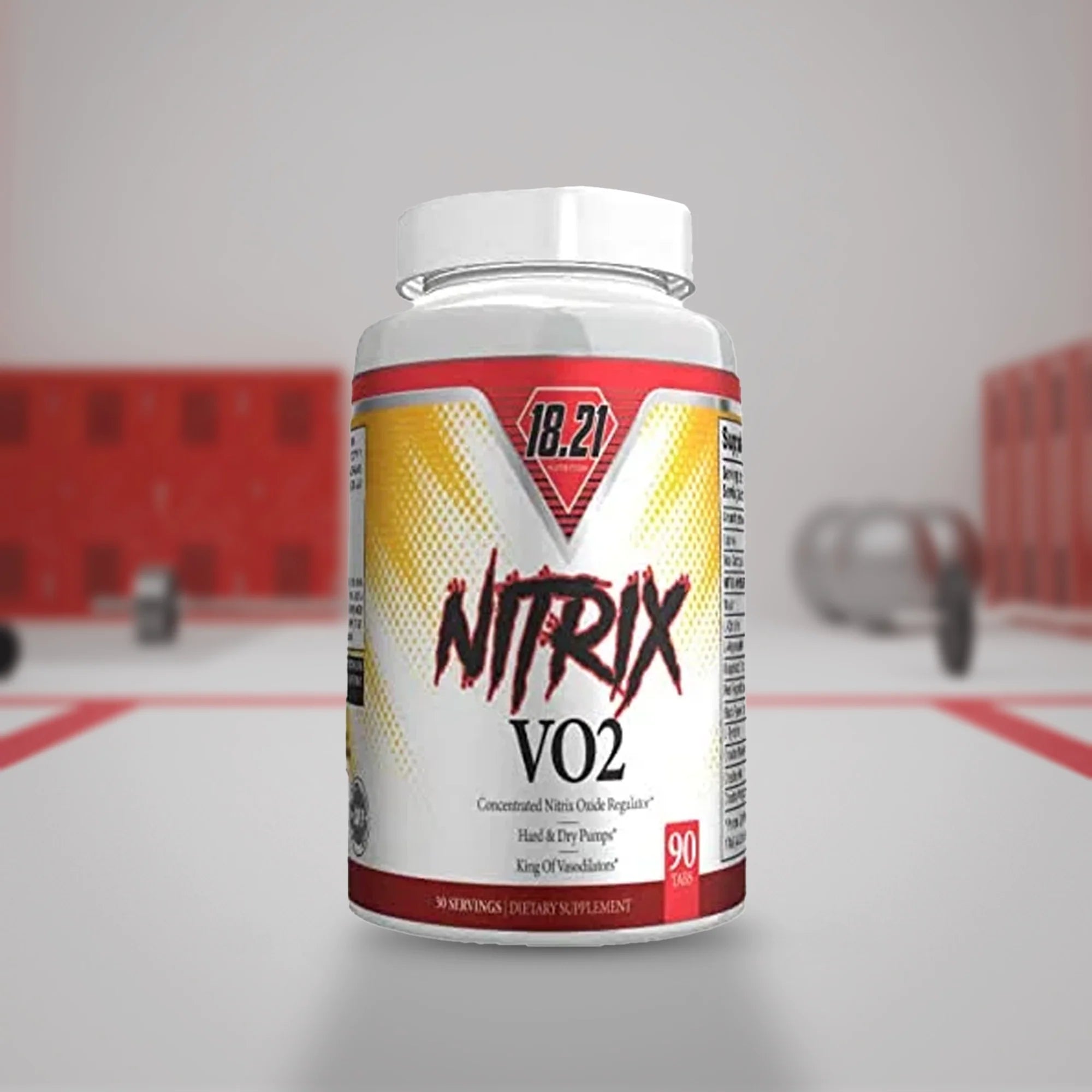
While whole foods should form the foundation of an athlete's diet, supplements can aid in addressing specific nutritional deficiencies. Common supplements include whey protein, creatine, and branched-chain amino acids (BCAAs), each serving specific roles in supporting performance and recovery.
Conclusion
Nutrition's impact on sports performance is profound and far-reaching. A strategic approach to nutrition, acknowledging its scientific nuances, not only supports athletic endeavors but also fosters overall well-being and longevity in sports. As our understanding of nutrition science advances, so will our ability to craft tailored dietary frameworks that enhance athletic performance and health.































































































































Share:
Running: Tracing the Timeless Trail of Human Endurance
Mastering Table Tennis: A Pro-Athlete Routine and Equipment Comparison