

Running: An Ancient Practice
Few activities are as instinctive and universally embraced as Running. It encompasses more than a mere athletic pursuit; it is a journey embedded deeply in human civilization. From survival hunting to spiritual rituals and competitive sports, the evolution of running mirrors the progress of humanity itself.
Historical Footprints of Running
Running dates back to our earliest ancestors. Historical evidence suggests that our predecessors relied on endurance running for persistence hunting, wherein early human hunters would use their stamina to exhaust prey over time. Fossils and ancient tools indicate these skills existed as far back as 2 million years ago.
The most iconic representation of running's legacy in ancient culture is undoubtedly the Greek marathon, a commemoration of the run from Marathon to Athens. Pheidippides’ legendary sprint to deliver news of military victory laid the groundwork for the modern marathon, a staple in the running community.
The Rise of Competitive Running
As societies evolved, running transformed into organized competition. The first recorded Olympic Games in 776 BC featured a stadion race, today known as a sprint, as its sole event. This showcased the growing cultural value placed on physical prowess and athletic skill.
Throughout history, running remained an accessible sport, requiring minimal resources beyond human determination. By the 19th century, running clubs and organized meets thrived in Europe, eventually spreading to North America. The establishment of the modern Olympic Games in 1896 and the Boston Marathon, the world's oldest annual marathon, in 1897 cemented running’s global popularity.
The Golden Era of Track and Field
The mid-20th century saw unprecedented advancements in running. Known as the "golden era," athletes broke what many perceived as the ultimate barriers. Roger Bannister's sub-four-minute mile in 1954 and Abebe Bikila's barefoot Olympic marathon victory in 1960 inspired generations of runners, proving that the limits of human ability are constantly being redefined.
| Legendary Achievement | Year | Significance |
|---|---|---|
| Roger Bannister's Sub-Four-Minute Mile | 1954 | Shattered preconceived limits of human performance |
| Abebe Bikila's Olympic Marathon Victory | 1960 | Symbolized the rise of African dominance in distance running |
| Jesse Owens' Olympic Triumph | 1936 | Challenged racial discrimination on a global stage |
Running Today: A Cultural Phenomenon
In contemporary society, running is more than a sport; it is a lifestyle and community-driven activity. Its appeal cuts across age, cultures, and geographic boundaries, evident in the millions who participate in marathons and the explosion of casual running clubs worldwide.
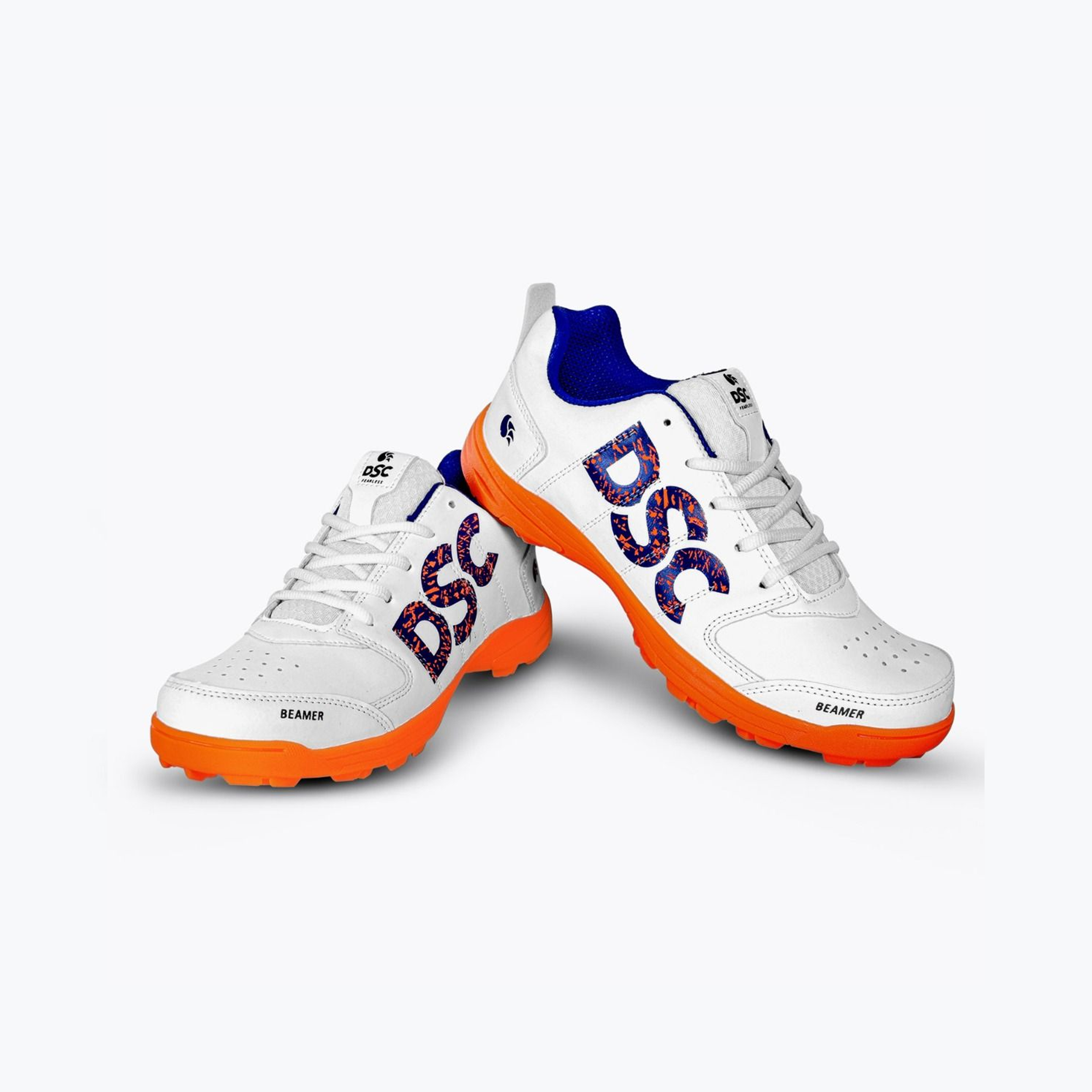
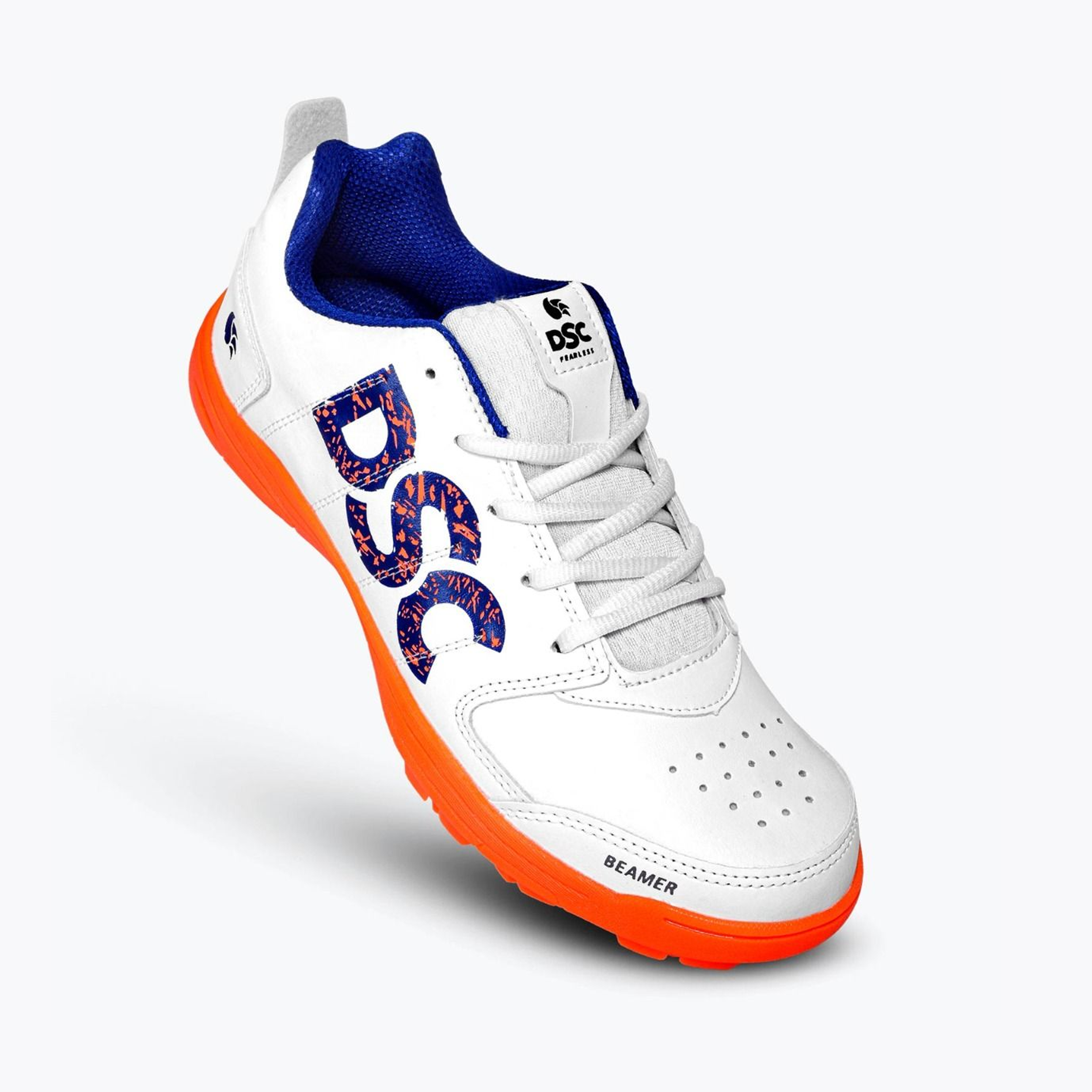
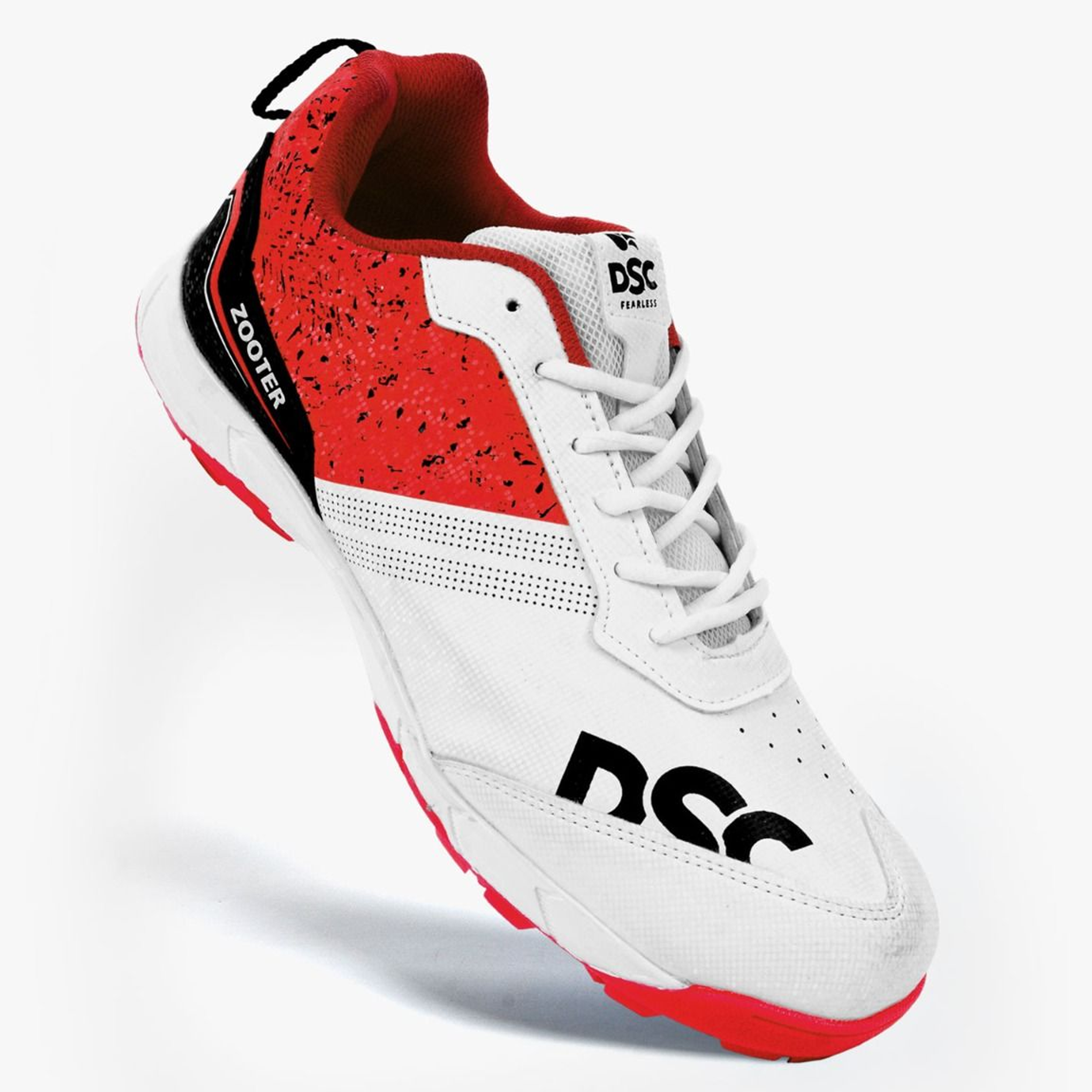
Technological advancements, such as the development of performance-enhancing apparel and digital tracking, have enhanced the running experience. Innovative footwear, moisture-wicking fabrics, and devices that monitor pace and heart rate have revolutionized the way people engage with the sport.
A Legacy of Health and Wellness
Beyond competition, running is celebrated for its health benefits. It has become an integral part of wellness routines, encouraging cardiovascular health, weight control, and mental well-being. The simple act of putting one foot in front of the other is hailed as a remedy for the challenges of modern lifestyles.
The Future of Running
Looking ahead, running continues to inspire. It's evolving into new realms like ultra-marathons and trail running, focusing on exploration and connection with nature. As societies increasingly value sustainability, running aligns well with eco-friendly practices, often focusing on minimizing environmental footprints.
Moreover, community events and initiatives continue to grow, emphasizing inclusivity and the idea that anyone, regardless of background or ability, can become a runner. The legacy of running proves that it is more than a race—it's a timeless testament to human endurance and aspiration, bringing people together in pursuit of a shared passion.


























































































































Share:
The Daily Grind of a Professional Swimmer: Beneath the Surface
Fueling Excellence: The Science of Sports Nutrition