
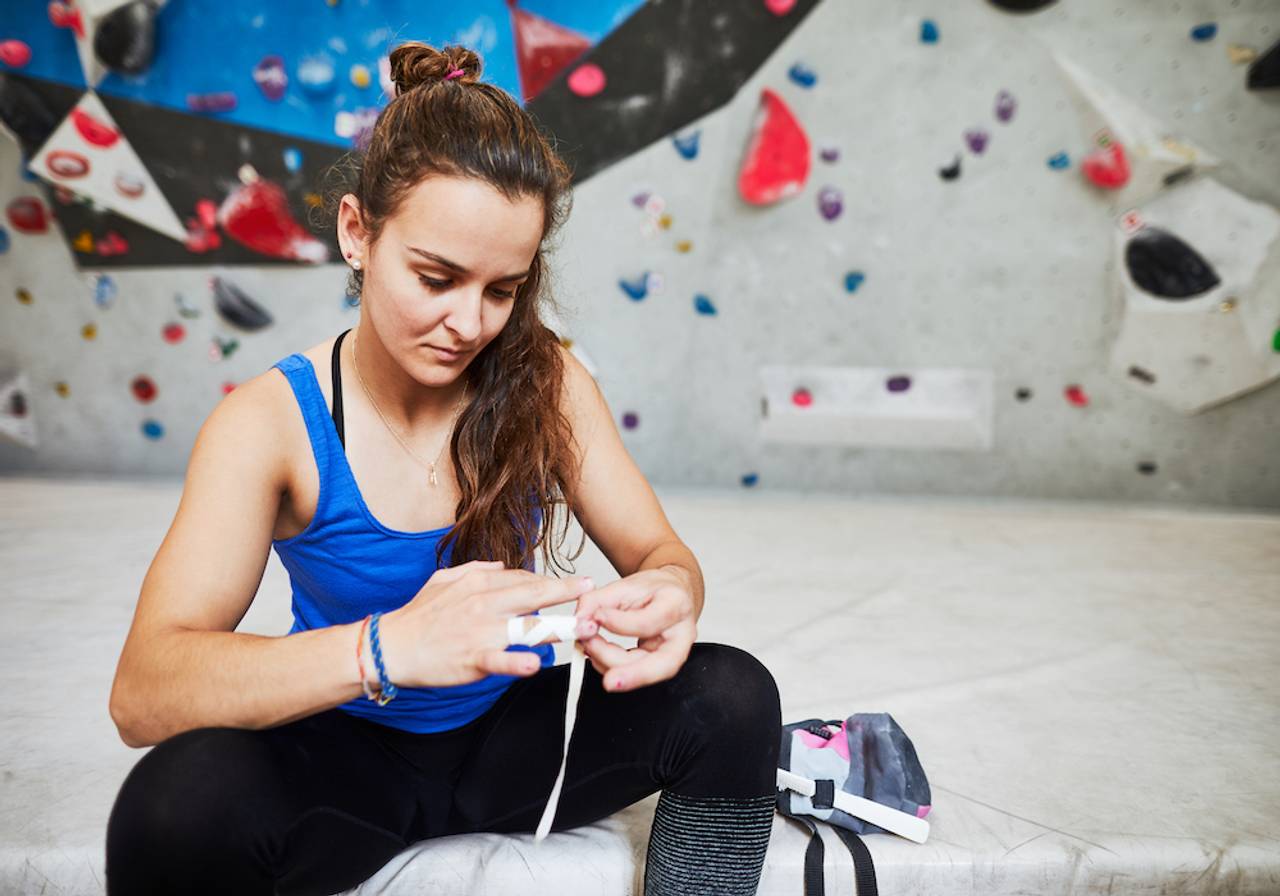
Ascending Again: A Rock Climber's Journey Through Rotator Cuff Recovery
There’s a pattern among athletes, especially those passionate about climbing. Each ascent tells a story of strength, fear, and sometimes injury. For many, the sport embodies freedom, but what happens when an injury clips your wings? In the climbing community, rotator cuff injuries are common but rarely discussed in-depth. This narrative explores aspects of recovery often overlooked, emphasizing an athlete's own journey and insights learned along the way.
Challenging the Stigma
Initially, I believed recovery adhered to a linear progression, a simple equation with rest plus rehabilitation equating to a straightforward return. However, this assumption quickly disintegrated after my own experience with a rotator cuff injury. Immediately after the incident, the impulse to downplay the seriousness was almost instinctual. How could I not climb when the rock faces were calling?
Conversations within the climbing community revealed a common thread: many climbers, eager to return to their passion, underestimated their recovery needs, often resulting in impeding their own healing process.
Breaking Down Misconceptions
Contrary to popular belief, rest does not equate to inactivity. Recovery isn't about idly waiting, but a proactive engagement in tailored strategies that address individual needs. Every climber's body speaks a different language, making no one-size-fits-all solution effective.
Common Assumptions and Realities
| Assumption | Reality |
|---|---|
| Rest equals healing. | Active recovery accelerates healing. |
| Rehabilitation can start immediately after pain ceases. | Structured rehab should follow guided assessments. |
| All rotator cuff exercises suit every athlete. | Exercises must cater to unique injury profiles. |
| If pain persists, physical activity must halt entirely. | Modify activities to avoid pain but maintain mobility. |
Navigating the Rehabilitation Maze
Understanding the diversity of the rotator cuff comprising four muscles and their tendons, each with unique functionality was pivotal. This realization dismantled another myth: I could depend solely on a simple exercise regimen. Reality required precision and patience.
My climbing coach introduced me to a physiotherapist who specialized in sports medicine. This was a game changer. Together, we forged a path through targeted exercises, beginning with mobility work and eventually integrating strengthening exercises that were individualized to my progress. This included band work, isometric exercises, and carefully guided weight-bearing activities.
Exercises That Made a Difference
- Internal and External Rotations
- Scapular Stabilization Drills
- Progressive Resistance Training
- Core Stability Work to Maintain Overall Balance
Mind Over Body: Psychological Barriers
Perhaps an underrated aspect of recovering from sports injuries is the mental toll. The rock climber’s mind thrives on challenge and conquering adversity; being sidelined provokes frustration and introspection. I learned the value of mental agility just as I relearned physical movements. Embracing the journey, rather than fixating on the destination, helped dissipate the pressure of immediate recovery, allowing space for triumphs, small and large, to naturally occur.
Endurance In The Face of Recovery
Throughout my journey, community became key. The network I built during recovery provided much-needed cheerleading and empathy, reshaping my climbing era into something more profound than the physical. These experiences enriched my return to the sport I love; the once inconspicuous climbing holds now held nuanced meanings, symbolizing resilience and invigorated purpose.
In retrospect, I embraced the facets of recovery that initially seemed daunting, recognizing setbacks as opportunities for growth and learning. Fostering a patient understanding of my body’s capabilities transformed challenges into fueling forces for my climber's spirit.
For those grappling with injury, remember: recovery isn’t merely a return to form. It’s a state of perpetual evolution, fostering a deeper relationship with yourself and your sport. Your recovery story could inspire another’s healing journey.
Explore more athlete recovery journeys with InstaSport, where inspiring stories meet movement.
Disclaimer: This article is intended for general informational purposes only and reflects common patterns in sports injury recovery. It is not medical or technical advice.












































































Share:
Bouncing Back: A Soccer Player's Journey Through Achilles Tendon Rupture Recovery
Navigating the Waters of Recovery: A Swimmer's Journey through Rotator Cuff Injury Rehabilitation