
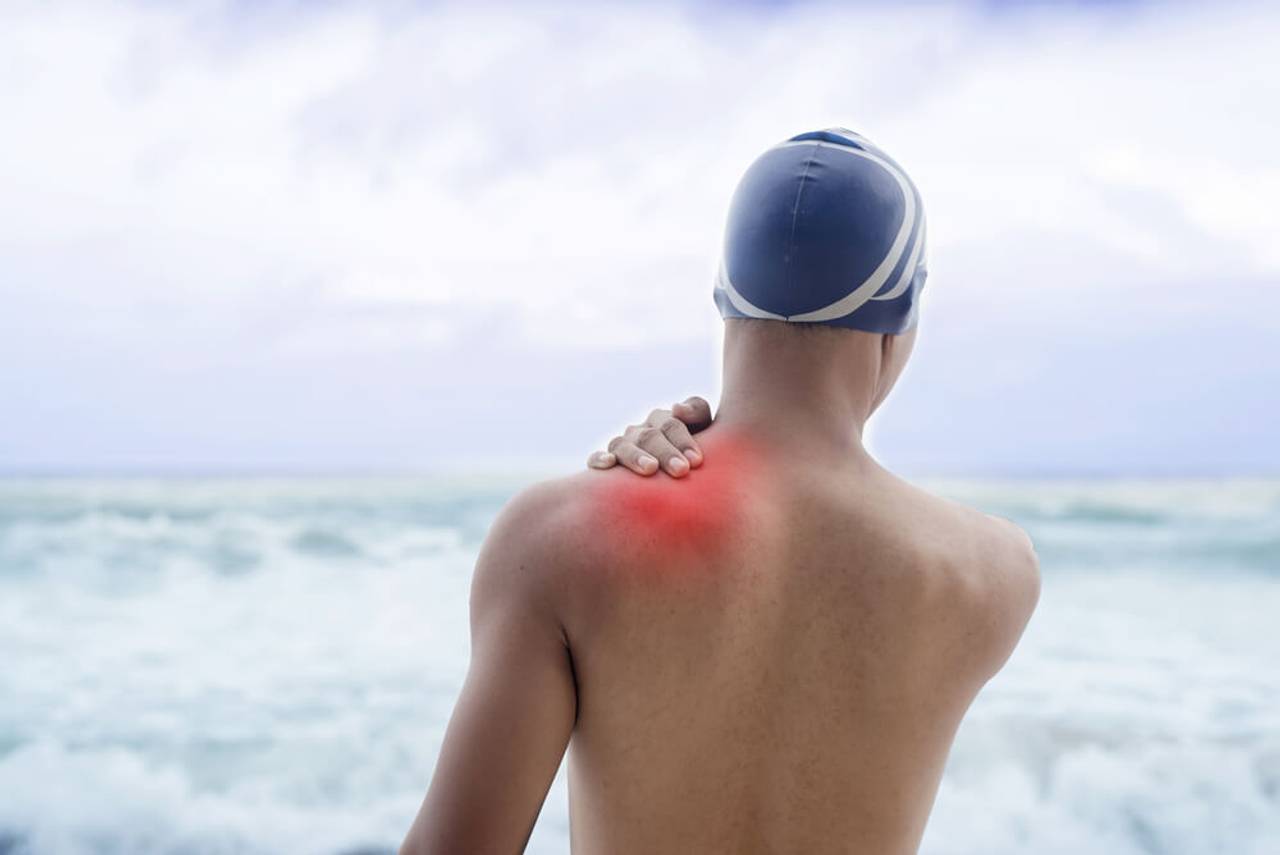
Navigating the Waters of Recovery: A Swimmer's Journey through Rotator Cuff Injury Rehabilitation
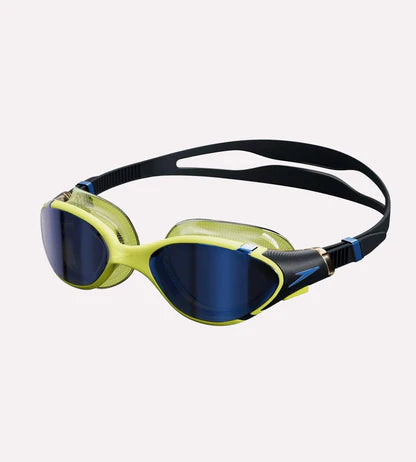
As the early morning mist lifted off Lake Crystal, Emma Michaels slid her goggles over her eyes, the quiet water beckoning her yet again. A lifetime dedicated to swimming transformed the chlorinated lanes and open water passages into Emma’s sanctuary. However, this calm was abruptly shattered one icy morning in December when a sharp, searing pain shot through her shoulder during a routine practice. Emma, a competitive swimmer since the age of eight, knew this wasn't a typical ache or the usual wear and tear.
Diagnosis came swiftly - a partial rotator cuff tear. For swimmers, the rotator cuff is the linchpin of strength, flexibility, and motion. Made up of four small muscles and their tendons that hold the shoulder joint together, it is imperative for the repetitive overhead motion of strokes. A tear meant more than just physical pain. For Emma, it was an immediate halt to her competitive career, and a profound psychological struggle lay ahead.
The Initial Weeks: Acceptance and Coping
Emma’s immediate challenge was acceptance. Facing the fact that she’d be out of the water and not racing for an entire season felt insurmountable. A self-proclaimed water baby, she struggled with the identity crisis that injuries so often provoke in athletes. In the initial weeks following the diagnosis, Emma immersed herself in understanding her injury. Her healing process started with soaking in as much knowledge as she could. She began documenting and sharing her daily experiences through a journal, which played a pivotal role in maintaining her mental health and served as a roadmap for her rehabilitation.
"An athlete's mind craves action," Emma would say, "but during recovery, resilience becomes the only race I participate in."
Structured Rehabilitation: The Building Blocks
Taking the first steps in rehabilitation involved Emma's careful collaboration with a physiotherapist specializing in sports injuries. The focus of her plan was to gradually restore range of motion, increase strength, and reduce inflammation. Each phase of recovery was strategically timed to prevent further injury while promoting natural healing. The physiotherapist emphasized a holistic approach, integrating physical therapy with nutritional guidance and mental conditioning.
| Rehabilitation Phase | Objectives | Timeline |
|---|---|---|
| Initial Rest | Reduce inflammation, prevent stress | Weeks 1-2 |
| Range of Motion | Gradual flexibility improvement | Weeks 3-6 |
| Strength Building | Focus on surrounding musculature | Weeks 7-10 |
| Functional Training | Simulate swimming motions | Weeks 11 onwards |
Physical therapy sessions were designed to target muscle groups supporting the rotator cuff. Exercises included gentle external rotations, isometric holds, and light weights, progressing to resistance bands. Emma noticed, perhaps paradoxically, that the slower she approached each exercise, the stronger her shoulder felt.
Nourishing Recovery with Nutrition
Emma's nutritionist introduced an anti-inflammatory diet rich in omega-3 fatty acids, antioxidants, and lean proteins. Foods like salmon, spinach, and quinoa became staples as she focused on fostering a healing environment within her body. These dietary strategies were more than just fuel; they were a blend of comfort and care, representing both Emma’s commitment to recovery and her resilience.
Tracking macros was less about meticulous calorie counts and more about listening to what her body needed daily. "Some days, my body wanted more greens, other days, more protein," Emma reflected. "Recovery is as much about listening as it is about doing."
A Mental Game: The Psychological Aspects of Recovery
Understanding that psychological well-being was a crucial part of physical healing, Emma dedicated time to mental training. Therapy sessions included visualization techniques, breathing exercises, and focusing on mental fortitude. Aligning her mental state with her physical goals was fundamental in preventing the frustration of setbacks from clouding her progress.
Regular meditation played an essential role, offering moments of clarity and calm. "Every breath I focus on is like a stroke in my mind’s pool," said Emma, highlighting the intimate connection between mental and physical recovery.
Reintroducing the Water
Six months post-injury, Emma experienced the exhilaration of re-entering the pool. Cautiously at first, her initial strokes in the water were guided by her physiotherapist, focusing on balance and correct technique over speed. Freedom slowly returned, stroke by measured stroke, and with it, Emma found a renewed appreciation for her craft.
It wasn't instantaneous, but in the water, Emma felt she was coming back to herself. "I learned to swim anew," she confessed, her smile reflecting a sense of completion and renewal. This journey was not only about returning to competition but rediscovering joy in simplicity.
Looking Forward and Beyond
Emma’s story highlights not just the hardships but the transformative journey through recovery. For athletes facing similar challenges, her story serves as a beacon of hope a reminder that with structured care, patience, and determination, a return to sport and self is achievable.
Injuries are an inherent risk in sports, yet they provide an opportunity for introspection, growth, and resilience. Through detailed planning, dedicated rehabilitation, and a strong mental focus, recovery from a rotator cuff injury can be a profound journey rather than a setback.
Emma now shares her experience to inspire others through social media platforms, encouraging athletes worldwide to prioritize proper recovery. She emphasizes the importance of recognizing both the physical and psychological impacts of sports injuries.
For those who find themselves in the depths of recovery, remember that you are not alone. Communities and tools are available to support you in reclaiming your athletic dreams. Organizations like InstaSport provide invaluable resources and connections, helping athletes navigate their paths to recovery and triumph.
Disclaimer: This article is intended for general informational purposes only and reflects common patterns in sports injury recovery. It is not medical or technical advice.





















Share:
Ascending Again: A Rock Climber's Journey Through Rotator Cuff Recovery
The Long Path to Healing: Overcoming an Achilles Tendon Rupture for Basketball Players