
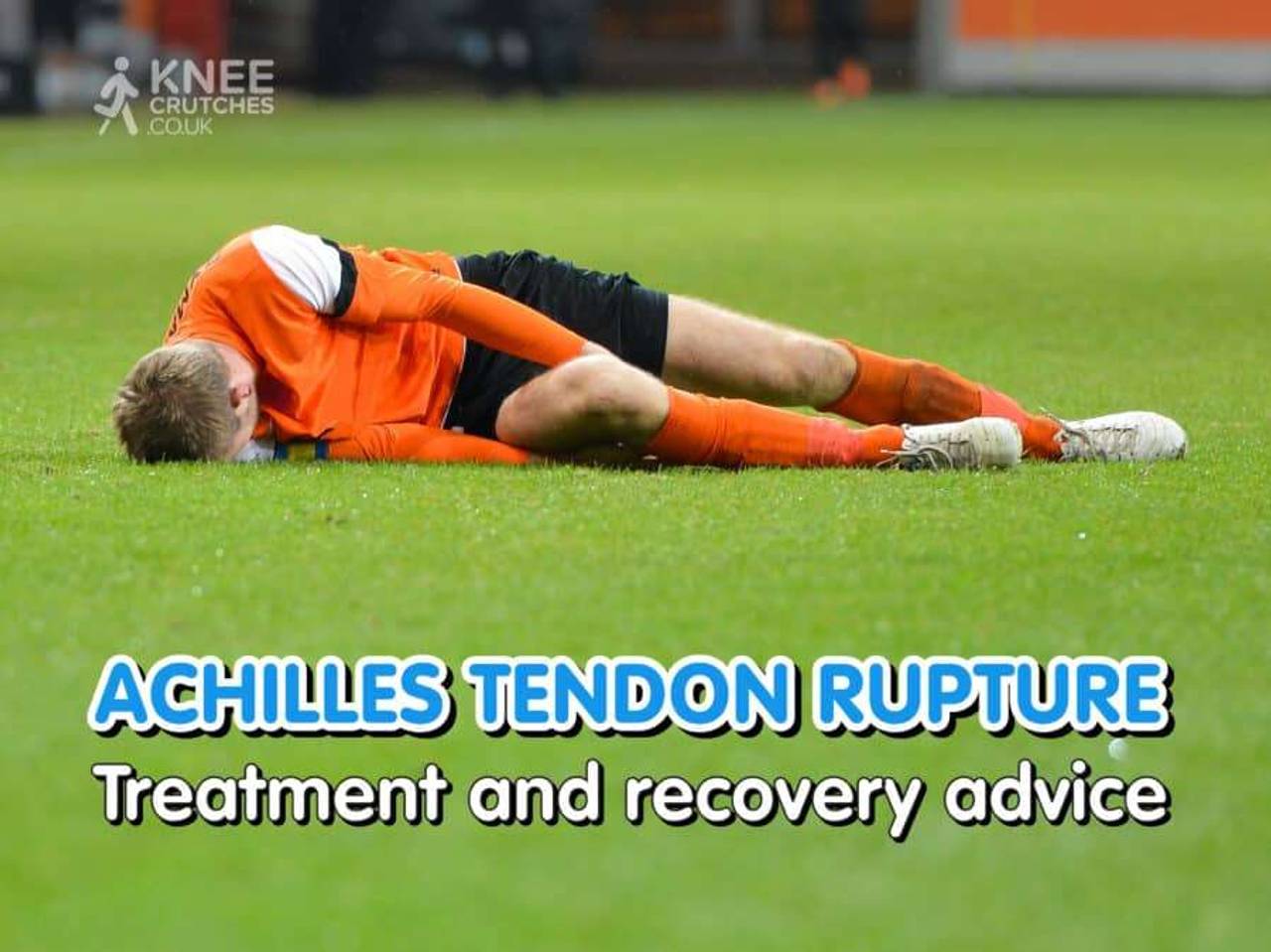
Bouncing Back: A Soccer Player's Journey Through Achilles Tendon Rupture Recovery
Under the floodlights, the field felt electric. Fans cheered, and adrenaline coursed through my veins as I navigated the pitfalls of an intense soccer match. It was a crisp pass and the ensuing explosive sprint that led to that heart-stopping moment. An unexpected pop in my heel sent me crashing to the ground. As I tried to stand, the realization dawned: something was terribly wrong. This was the reality of an Achilles tendon rupture, a soccer player's nightmare.
Understanding the Injury: What is an Achilles Tendon Rupture?
The Achilles tendon connects the calf muscles to the heel bone, facilitating essential movements like standing on tiptoe and sprinting. A rupture occurs when there's a sudden increase in tension and stress, often during activities requiring explosive force like jumping or sprinting.
Common Causes and Risk Factors
- High-impact sports: Soccer, basketball, and track events.
- Sudden increase in activities without proper conditioning.
- Age and gender: Men aged 30-40 are more susceptible.
The Road to Recovery: My Personal Journey
The initial days post-injury were filled with uncertainty. Would I ever play soccer again? Determined to regain my strength, I embarked on a journey emphasizing patience, perseverance, and professionalism. Over the next few months, my calendar filled up with specialist appointments, physiotherapy sessions, and gradual milestones.
Initial Treatment and Surgery
After the diagnosis confirmed a complete rupture, I underwent surgery. The procedure aimed to reattach the torn tendon fibers, restoring functionality. Post-surgery, my leg was immobilized, commencing the long and challenging recovery phase.
The Rehabilitation Process
Rehabilitation was a multifaceted approach involving physical therapy, strength training, and mental resilience. Progressing from non-weight bearing to cautious steps required time and trust in the process.
| Recovery Phase | Main Activities | Duration |
|---|---|---|
| Immediate Post-Surgery | Immobilization, pain management | 2 weeks |
| Early Rehabilitation | Controlled weight bearing, mobility exercises | 2-6 weeks |
| Strengthening Phase | Strength exercises, balance training | 6-12 weeks |
| Return to Activity | Sport-specific drills, agility training | 3-6 months |
A New Perspective: Mental and Emotional Recovery
Beyond the physical hurdles, the psychological impact of a sports injury is significant. The initial sense of isolation and doubt was overwhelming. Leaning on my support system, including family, teammates, and mental health professionals, was crucial. I learned to replace frustration with focus, setting small, manageable goals.
Lessons Learned and Tips for Fellow Athletes
- Never rush the recovery: Allow the body to heal at its pace.
- Stay mentally engaged: Watch games, visualize playing, and keep the competitive spirit alive.
- Feedback is gold: Regularly consult with medical professionals and therapists.
The Role of Technology in Recovery
Technology played a transformative role in my rehabilitation. Apps offered personalized exercise regimens and trackers for my progress. Wearable technology helped monitor exertion levels, ensuring I didn't overextend myself during workouts.
Now, as I lace up my cleats for the first time post-recovery, I reflect on the resilience built through this journey. While the road was long and often uphill, the lessons learned extend beyond the field. The importance of discipline, patience, and support systems can't be overstated. Each step on the pitch feels victorious, both in sport and spirit.
For athletes facing similar hurdles, remember: recovery isn't just about mending a tendon; it's about rebuilding mind and momentum. Consider documenting your journey writing helps reflect on progress and challenges. You’re not alone; leverage the community and tools available to aid in a fulfilling comeback, such as InstaSport. It offers insights, forums, and a community for athletes navigating recovery and performance enhancement.
Disclaimer: This article is for educational reading about sports injury recovery and does not provide medical, diagnostic, or treatment advice.





















Share:
Overcoming the Mental and Emotional Hurdles of ACL Recovery in Soccer
Ascending Again: A Rock Climber's Journey Through Rotator Cuff Recovery