
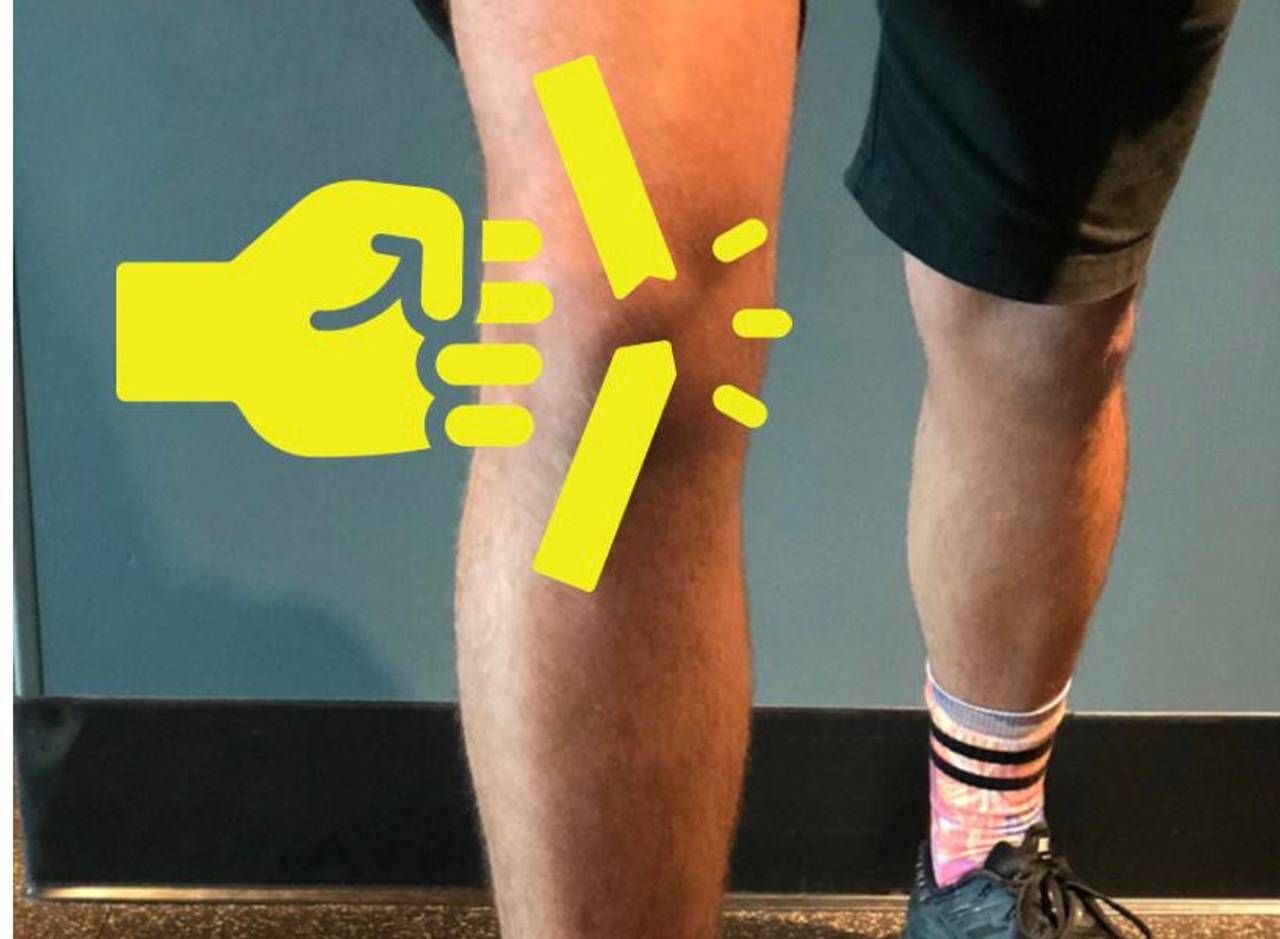
Understanding the Recovery Journey
Recovering from a sports injury is a journey that evolves over time, and it is crucial to understand how this process unfolds. From the initial treatment to regaining full functionality, the journey is marked by distinct phases, each with its own set of challenges and milestones. Understanding these phases can help athletes set realistic goals and expectations for their return to sport.
Typically, the recovery timeline is divided into acute, subacute, and chronic phases, with each requiring specific strategies and interventions. The acute phase focuses on managing pain and inflammation. The subacute phase transitions into promoting healing and restoring range of motion, while the chronic phase emphasizes strengthening and preventing re-injury. Each step in this journey represents an important milestone that, when navigated successfully, leads to optimal recovery.
Delays and Plateaus in Recovery
Despite structured rehabilitation programs, athletes often experience delays or plateaus in their recovery. These occurrences can be particularly discouraging, but understanding their presence is critical for effective management. Delays might be due to various factors including inadequate injury management, insufficient rehabilitation intensity, or even psychological barriers that limit progress.
Plateaus in recovery, characterized by a perceived stagnation in improvement, can occur even when following the recommended protocols. Data has shown that many athletes hit a plateau during their subacute phase, especially when transitioning to more advanced exercises. The key to overcoming these plateaus involves re-evaluating the rehabilitation plan, ensuring that the exercises align with the athlete's current capabilities, and possibly adjusting to incorporate new strategies or equipment.
Recovery Timeline and Expectations
| Phase | Duration | Goals |
|---|---|---|
| Acute | 1-2 weeks | Pain management, reduce swelling |
| Subacute | 3-4 weeks | Restore range of motion, gradual loading |
| Chronic | 5+ weeks | Strengthening, functional recovery |
It is important to tailor recovery timelines to the individual, as factors such as age, injury type, and overall health can influence the process. Athletes should focus on their progress rather than the clock, ensuring that they meet phase-specific milestones before advancing to subsequent stages.
Psycho-social Considerations in Recovery
Recovery from a sports injury goes beyond physical rehabilitation. The psychological and social aspects can profoundly impact an athlete's journey. From dealing with the trauma of the injury to the anxiety surrounding the return to play, emotional well-being plays a crucial role in recovery trajectories. Engaging with sports psychologists and support groups can provide athletes with coping strategies and motivation, fostering a conducive environment for healing.
Social support from coaches, teammates, and family can also enhance recovery outcomes. Encouragement and a shared commitment to recovery can alleviate feelings of isolation that often accompany prolonged rehabilitation periods.
The Role of Technology in Modern Rehabilitation
Technological advancements are transforming sports injury recovery protocols. Innovations such as biofeedback, wearable technology, and regenerative therapies are redefining traditional rehabilitation techniques. For instance, wearable devices can monitor an athlete’s range of motion and provide real-time feedback, helping to refine movements and reduce the risk of re-injury.
There is also a growing interest in the utilization of machine learning algorithms to predict recovery timelines and tailor individualized rehabilitation programs. These personalized approaches have the potential to significantly enhance recovery outcomes, offering a more precise, data-driven path to full functionality.
Conclusion
Through an understanding of the complexities of sports injury recovery, athletes can more effectively navigate the challenges on their path to recovery. While each journey is unique, common elements such as managing physical and psychological hurdles, adapting to plateaus, and embracing innovative technologies are universal considerations. For those finding inspiration and motivation in their recovery efforts, platforms like InstaSport can offer a wealth of resources and insights to aid in the journey.
Disclaimer: This article is intended for general informational purposes only and reflects common patterns seen in sports injury recovery. It is not medical or technical advice.




























































































Share:
Maximizing Sports Injury Recovery: Overcoming Setbacks and Ensuring Long-Term Success
Mastering Sports Injury Recovery: Avoiding Common Pitfalls for Successful Return