
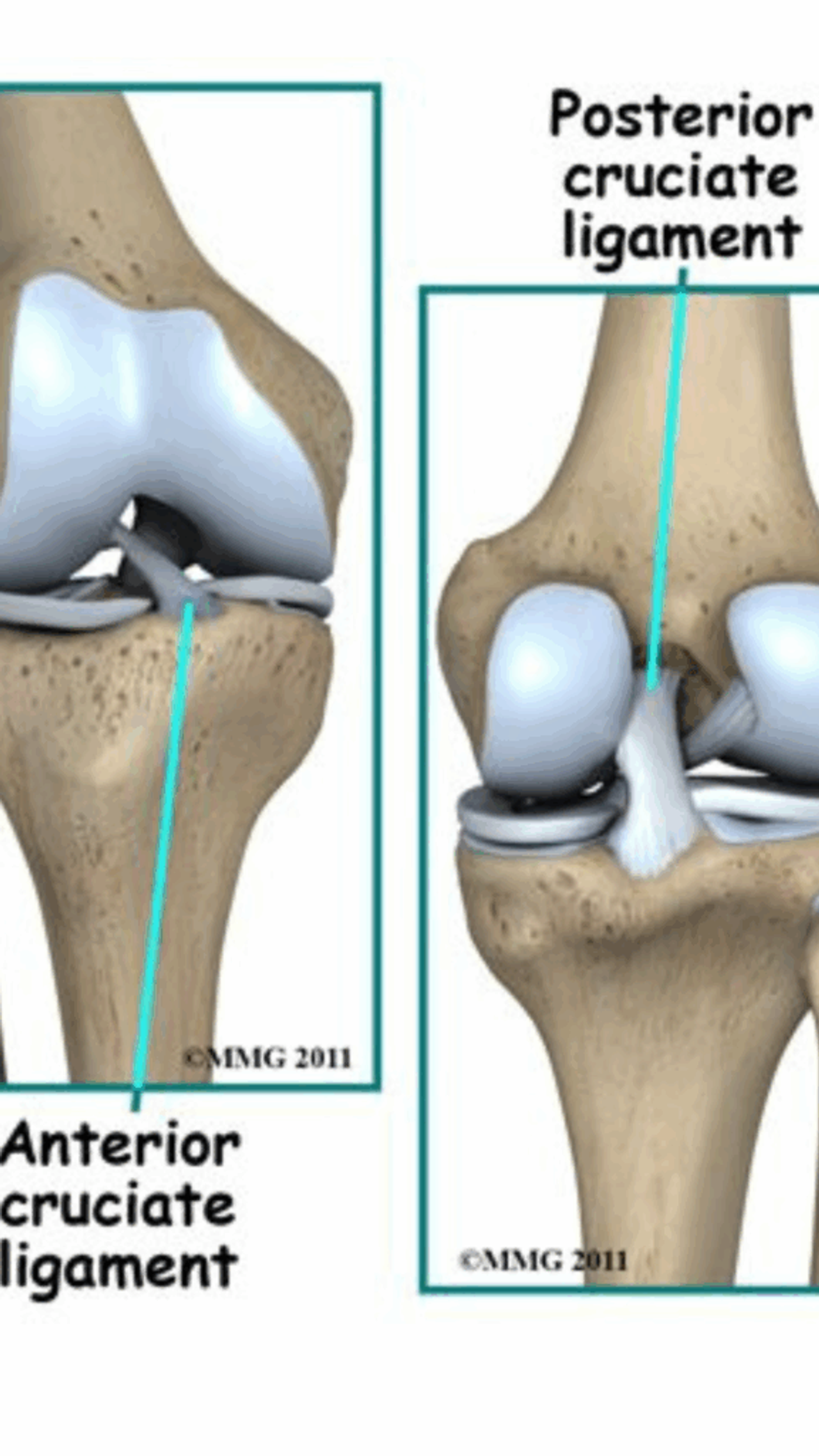
In the world of sports, the recovery process following an injury is as critical, if not more so, than the moments of triumph on the field. While athletes and teams understandably aim for a swift return to play, the stark reality is that many recoveries fail due to a confluence of factors ranging from undue pressure to costly mistakes. Understanding why these recoveries falter is essential in setting the stage for a successful return to sport.
Why Recoveries Fail: Delving into the Crux
Sports injuries can lay athletes low for weeks or months, and the journey back is often fraught with challenges. One of the primary reasons for recovery failure is the intense pressure faced by athletes. This pressure can stem from expectations by coaches, sponsors, and even the athletes themselves to bounce back quickly. The desire to meet these expectations can lead to hasty decisions that jeopardize physical health.
Mistakes in recovery protocols, such as prematurely stopping rehabilitation exercises or not adhering to prescribed rest periods, can also derail progress. Rushing back into full activity without a gradual build-up is a common mistake, often resulting in reinjury. Additionally, ignoring psychological readiness is another crucial error. Mental resilience plays a significant role in recovery, and overlooking this aspect can impede full recuperation.
The Pressure to Return Quickly
Pressure to return to play in competitive sports is immense, sometimes resulting in athletes pushing their bodies beyond what is medically advisable. A comparison of typical timelines for injury recovery and expected return times in various sports can vividly illustrate this disparity.
| Type of Injury | Suggested Recovery Timeline | Common Return Expectations |
|---|---|---|
| ACL Tear | 9 to 12 months | 6 to 8 months |
| Hamstring Strain | 3 to 8 weeks | 1 to 2 weeks |
| Rotator Cuff Injury | 4 to 6 months | 2 to 3 months |
The variances between suggested guidelines and real-world expectations reveal the pressures athletes face, often leading to compromised recoveries and increased risk of reinjury.
Ensuring a Successful Recovery
Achieving a successful recovery demands a multidisciplinary approach involving physical therapists, psychologists, trainers, and medical professionals. It requires a personalized recovery program that addresses not only physical rehabilitation but also mental health support to rebuild confidence and motivation.
Consistency in rehabilitation is crucial. This includes not just attending physical therapy sessions but also religiously following home exercise regimens and lifestyle modifications advised by healthcare providers. Nutrition and hydration play pivotal roles in healing, supporting tissue repair and energy needs.
Preventing Reinjury: A Comprehensive Approach
Preventing reinjury involves not just following the initial recovery program but implementing ongoing preventative measures. Strengthening exercises that target the injury site, conditioning programs that promote joint stability, and balance training are fundamental. Additionally, athletes should be educated on listening to their body's signals and managing load to prevent fatigue-related injuries.
With sports science continually evolving, integrating data from wearable technology can provide insights into loads and kinematics, thereby potentially averting incidents that might lead to injury. Establishing a clear and realistic timeline for return to sport, based on benchmarks rather than arbitrary dates, can aid in preventing premature returns.
Ultimately, communication between all stakeholdersathletes, coaches, medical staff, and support networksis key. Frequent check-ins and assessments can ensure that everyone involved is aware of progress, expectations, and any adjustments needed in the recovery plan.
InstaSport is at the forefront of advocating such holistic recovery strategies, encouraging athletes and teams to prioritize health and well-being to ensure strong, safe returns to competitive sports. By leveraging tools, resources, and expert insights, athletes can navigate the recovery landscape more effectively and emerge not just restored, but resilient.
Disclaimer: This article is for educational reading about sports injury recovery and does not replace professional medical advice.



































Share:
Comprehensive Guide to Long-Term Recovery from Sports Injuries
Revolutionizing ACL Injury Recovery: Fact-Checked Protocols for Athletes