
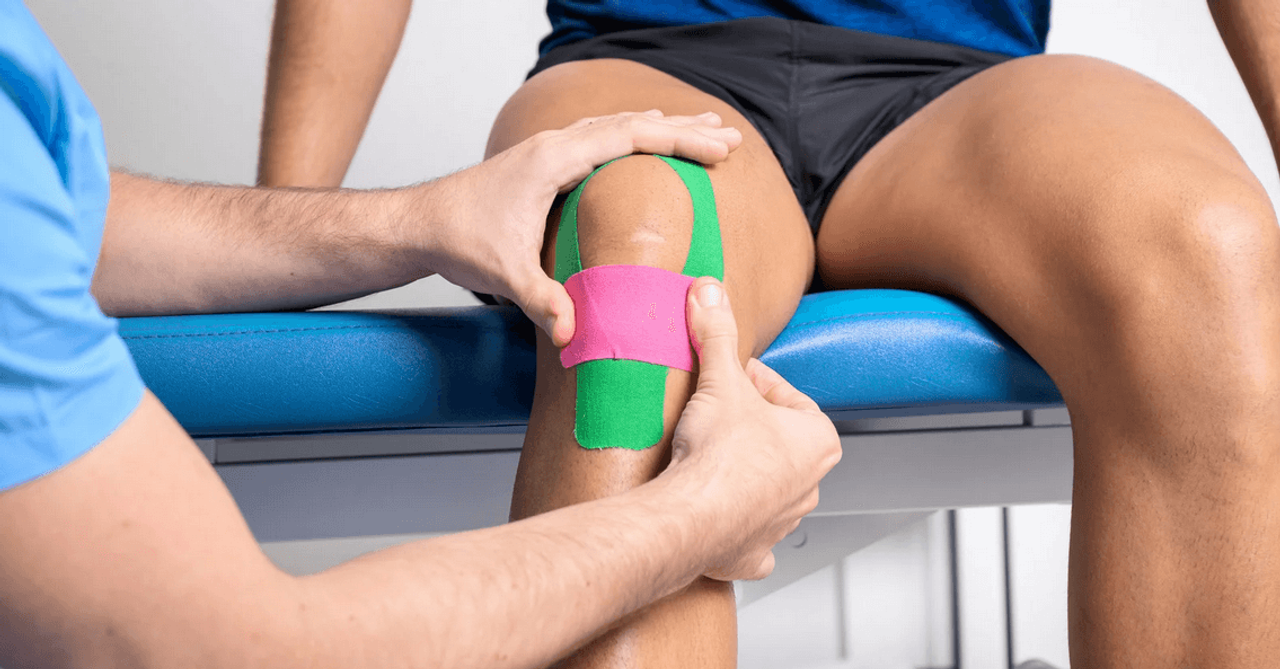
Recoveries from sports injuries can often fail, not due to the severity of the injury itself, but because of common pitfalls that athletes encounter during their rehabilitation journey. Understanding why healing processes falter is vital for athletes looking to return to activity stronger and more resilient than before.
One of the leading reasons for failed recovery is the pressure that athletes face, both internally and externally. Elite athletes, in particular, are under immense stress to return to their sport as quickly as possible. This pressure can stem from personal ambition, expectations set by coaches or teams, and even financial imperatives. The fear of losing a spot on the team or missing out on contracts can drive individuals to accelerate their recovery timelines. However, rushing a recovery can have detrimental effects, such as incomplete healing and an increased risk of reinjury. Athletes must learn to balance these pressures with the reality of their physical limits.
Pressure Factors in Sports Injury Recovery
| Factor | Description |
|---|---|
| Internal Pressure | Driven by personal goals and psychological resilience. |
| External Pressure | Expectations from coaches, team, media, and financial concerns. |
| Societal Pressure | Cultural influences that glorify playing through pain. |
Mistakes during the rehabilitation process are equally culpable for derailed recoveries. Often, athletes might neglect certain aspects of their rehabilitation protocol due to misinformation or haste. For instance, focusing solely on physical therapy exercises while ignoring nutrition, mental health, or rest can compromise the recovery. Each element of a rehab protocol plays a critical role, and omitting any can create imbalances in recovery, leading to weakened body systems or mental burnout.
One significant mistake is pushing the body beyond its limits too soon. Athletes, in their quest to expedite healing, might undertake high-intensity workouts prematurely. Although ambition is a driving force, it must be tempered with patience. Harmful patterns of behavior develop when the body is not prepared for the stress of full athletic activity.
Another recurring issue is the improper handling of initial injuries. Early misdiagnoses or a lack of a comprehensive treatment plan can cascade into long-lasting issues. For instance, if an ankle sprain is not properly diagnosed or treated correctly at the outset, an athlete might unknowingly be risking chronic instability or further complications.
Common Mistakes and Consequences
| Mistake | Potential Consequence |
|---|---|
| Rushed Return | Increased risk of reinjury or incomplete healing. |
| Neglected Rehabilitation Protocols | Imbalance leading to further injury or slower recovery. |
| Improper Diagnosis | Long-lasting chronic issues and increased rehabilitation time. |
The lure of quickly returning to normal schedules can lead to shortcuts in rehabilitation. Yet, the nuanced nature of recovery requires a comprehensive commitment to following medical guidance, tailored exercise regimens, and consistent evaluation of progress. It is in this careful maintenance of a recovery plan where long-term success lies.
In ensuring effective recovery, setting realistic timelines is critical. Athletes and their medical teams should establish achievable milestones rather than rigid deadlines. Regular assessments by healthcare professionals can help monitor progress and adjust rehabilitation protocols as necessary. Strategies to prevent reinjury should be woven into the rehabilitation process itself, emphasizing recovery quality over speed. These include incorporating comprehensive strength-building exercises, flexibility training, and mental resilience components into recovery regimens.
Ultimately, successful recoveries from sports injuries are not about speed, but a balanced and methodical return to form. Organizations like InstaSport play a pivotal role in educating athletes about the intricacies of injury recovery. By promoting evidence-based protocols and highlighting the importance of a holistic approach to healing, they are crucial in reducing the number of failed recoveries, enabling athletes to return to their sports healthier and more prepared than ever.
Disclaimer: The content here discusses sports injury recovery in a general context and should not be treated as medical, diagnostic, or technical guidance.






















































































Share:
Navigating the Complex Journey of Sports Injury Recovery
Comprehensive Guide to Long-Term Recovery from Sports Injuries